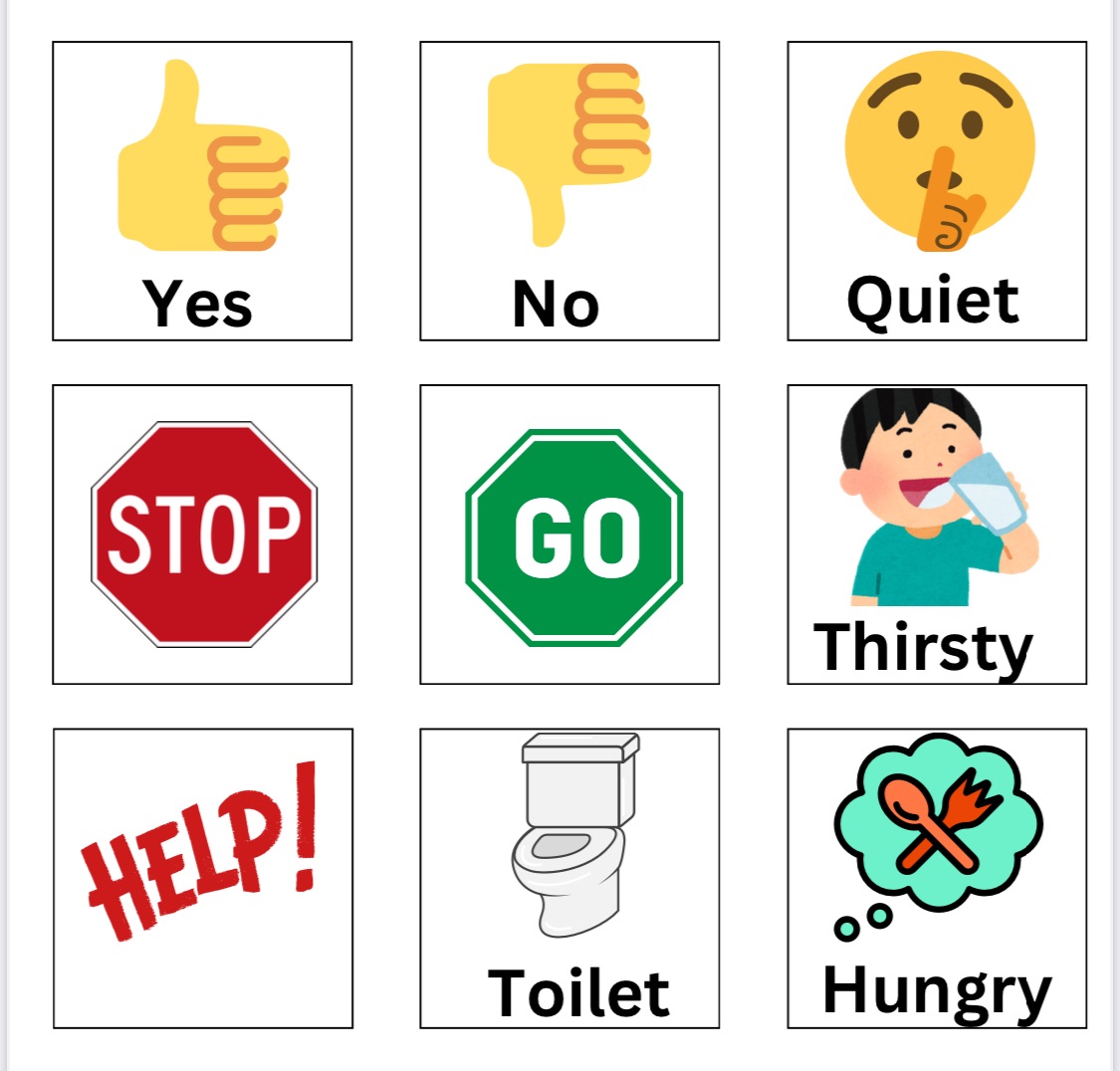
For autistic children, navigating the world can sometimes feel overwhelming. The unpredictability of daily routines, changes in plans, or unclear expectations can create anxiety and confusion. A visual schedule can help bridge the gap by providing structure and clarity. Whether you’re a parent, caregiver, or educator, incorporating a visual schedule into your daily routine can make a profound difference in the life of an autistic child.
What Is a Visual Schedule?
A visual schedule is a tool that uses images, symbols, or written words to represent tasks, activities, or events in a sequence. These schedules can range from simple one-step instructions to complex, day-long plans. Depending on the child’s developmental level and preferences, visual schedules can be presented in various formats:
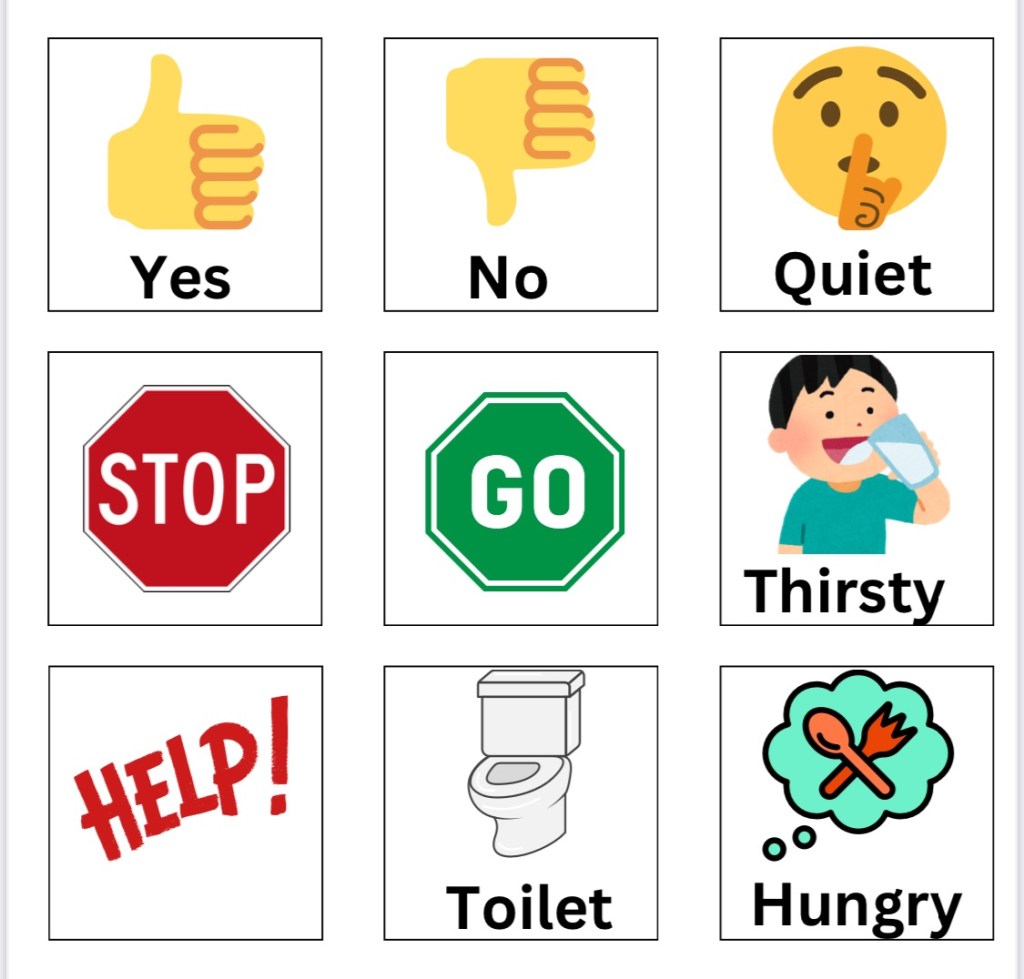
• Picture cards with images of daily activities.
• Written lists for older children or those who can read.
• Digital apps that allow flexibility and portability.
The goal of a visual schedule is to make the day’s expectations predictable and manageable, reducing uncertainty and supporting independence.
Why Visual Schedules Work for Autistic Children
Autistic children often thrive with routine and predictability. Visual schedules leverage their strength in visual processing, providing a concrete and straightforward way to understand what comes next.
Here are some key benefits:
1. Reduces Anxiety: Knowing what to expect can alleviate feelings of uncertainty and anxiety. Visual schedules offer a roadmap for the day, allowing the child to prepare for transitions and activities.
2. Supports Communication: For nonverbal or minimally verbal children, visual schedules provide a nonverbal way to understand and express routines. This is especially helpful for children who struggle to process spoken instructions.
3. Fosters Independence: Visual schedules encourage children to follow steps and complete tasks on their own, empowering them to take responsibility for their routines.
4. Improves Focus and Attention: Breaking down tasks into smaller, visual components helps children stay on track and reduces overwhelm.
5. Flexibility for Changes: When plans change, visual schedules can be adjusted to include new activities, helping children adapt to the unexpected.
How to Create and Use a Visual Schedule
Creating an effective visual schedule involves a few simple steps:
1. Understand the Child’s Needs: Consider the child’s age, developmental level, and preferences. Some children may prefer photos of real objects, while others might work well with illustrations or written words.
2. Break Down Activities: Divide tasks into manageable steps. For example, instead of “Get Ready for School,” break it into smaller parts like “Brush Teeth,” “Get Dressed,” and “Put on Shoes.”
3. Choose the Format: Decide whether the schedule will be a physical chart, a binder with laminated cards, or a digital app. Consider portability if the schedule needs to travel with the child.
4. Introduce the Schedule Gradually: Start with a few simple activities and gradually expand as the child becomes comfortable. Explain how to use the schedule and offer encouragement.
5. Use Visual Cues: Include a “finished” marker (e.g., a checkmark or moving a card to a “done” section) to indicate task completion.
6. Adapt and Update: Adjust the schedule as the child’s needs change or new activities are introduced.
Tips for Success
• Involve the Child: Whenever possible, involve the child in creating their schedule. This helps build ownership and enthusiasm.
• Be Consistent: Use the visual schedule daily to establish familiarity.
• Be Patient: It may take time for the child to understand and use the schedule independently. Celebrate small successes along the way.
• Include Breaks: Build in downtime or sensory breaks to prevent overwhelm.
Real-Life Success Stories
Parents and educators have reported remarkable improvements in their children’s confidence, behavior, and overall well-being when using visual schedules. For example, one parent shared how their child, who previously struggled with morning routines, now follows a visual schedule with minimal reminders. The child feels a sense of accomplishment after completing each step, starting the day on a positive note.
Visual schedules are a simple yet powerful tool to help autistic children navigate their daily lives. By reducing uncertainty, fostering independence, and improving communication, these schedules create a supportive environment where children can thrive.
If you’re considering implementing a visual schedule, remember that flexibility and patience are key. With time, you’ll likely see a positive impact not only on the child but also on the entire family or classroom dynamic.
Let’s create a more structured, inclusive, and empowering world for autistic children—one visual schedule at a time.

 The Neurodiverse Society