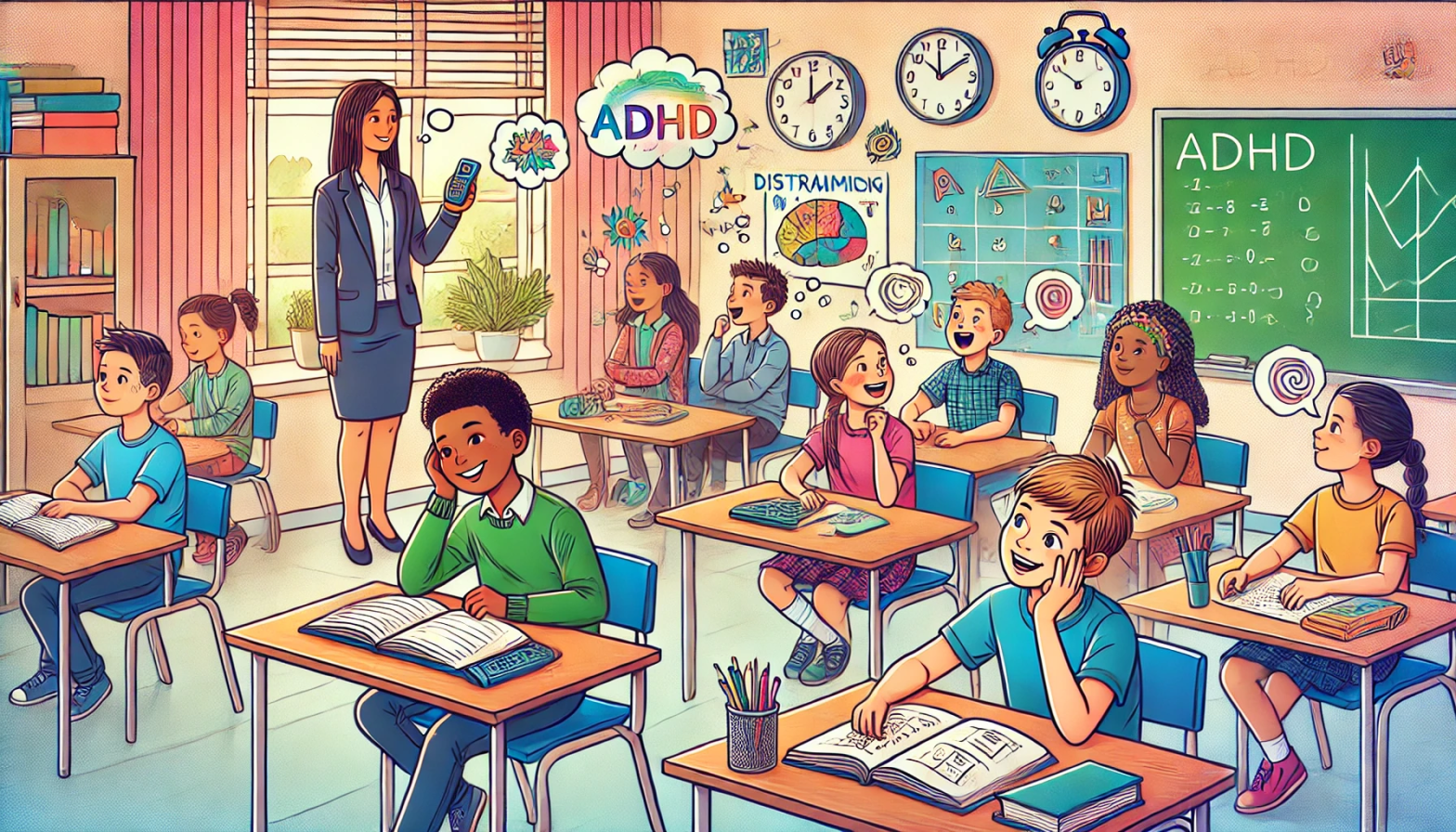
Attention Deficit Hyperactivity Disorder (ADHD) is one of the most common neurodevelopmental conditions in children, affecting approximately 6-10% of kids worldwide. Despite its prevalence, ADHD is often misunderstood, leading to frustration for both children and their caregivers. This blog post aims to shed light on ADHD in children, its symptoms, and how to support them in achieving their full potential.
What is ADHD?
ADHD is a condition that impacts how the brain regulates attention, impulse control, and activity levels. It is not caused by poor parenting, laziness, or lack of intelligence. ADHD is a biological condition influenced by genetics and brain development.
Children with ADHD often experience challenges in environments that require sustained focus, such as classrooms, but they also bring unique strengths like creativity, curiosity, and energy.
Signs and Symptoms of ADHD in Children
ADHD symptoms typically appear before the age of 12 and are grouped into three main categories:
1. Inattention
• Difficulty focusing on tasks or activities.
• Frequently losing items like toys, homework, or pencils.
• Struggling to follow instructions or complete tasks.
• Being easily distracted by unrelated stimuli.
2. Hyperactivity
• Excessive movement, even in situations where sitting still is expected.
• Talking excessively or blurting out answers.
• Difficulty playing quietly or engaging in calm activities.
3. Impulsivity
• Acting without thinking about the consequences.
• Interrupting conversations or games.
• Difficulty waiting for their turn in activities.
It’s important to note that every child with ADHD is unique, and their symptoms may range from mild to severe. Some children primarily struggle with inattention (often referred to as ADD), while others exhibit hyperactive and impulsive behaviors.
The Strengths of Children with ADHD
While ADHD can present challenges, children with the condition often have incredible strengths that can shine when supported properly. These include:
• Creativity: Many children with ADHD think outside the box and have vivid imaginations.
• Energy: Their high energy levels can make them enthusiastic and motivated.
• Hyperfocus: While they may struggle with general focus, ADHD children can intensely concentrate on activities they find interesting.
• Resilience: Coping with ADHD challenges often builds determination and problem-solving skills.
How to Support a Child with ADHD
1. Encourage a Structured Environment
Children with ADHD thrive in predictable settings. Use routines to create a sense of stability, such as consistent wake-up, meal, and homework times.
2. Break Tasks Into Manageable Steps
Large tasks can feel overwhelming. Breaking them into smaller, more achievable steps helps maintain focus and reduces frustration.
3. Use Positive Reinforcement
Praise and reward good behavior and accomplishments. Positive reinforcement boosts self-esteem and encourages desired behaviors.
4. Provide Movement Breaks
Children with ADHD often struggle to stay still for long periods. Allow short breaks for physical activity to help them release energy and refocus.
5. Collaborate with Teachers
Work with educators to create accommodations, such as extended test times or seating arrangements that reduce distractions. Individualized Education Plans (IEPs) or 504 Plans can provide additional support.
6. Consider Professional Support
Therapists, counselors, and pediatricians can provide interventions tailored to your child’s needs. In some cases, medication may also be recommended as part of a comprehensive treatment plan.
Fostering Self-Esteem in ADHD Children
Many children with ADHD face criticism for behaviors they can’t control, which can impact their self-confidence. It’s crucial to remind them of their unique talents and to focus on their successes. Build an environment where they feel supported, valued, and capable.
Final Thoughts
ADHD in children is not a one-size-fits-all experience. By understanding the condition, we can better appreciate the unique challenges and strengths that come with it. With patience, support, and the right strategies, children with ADHD can not only manage their symptoms but also thrive in their own way.
Let’s work together to create a world that embraces neurodiversity and celebrates every child for who they are.

 The Neurodiverse Society