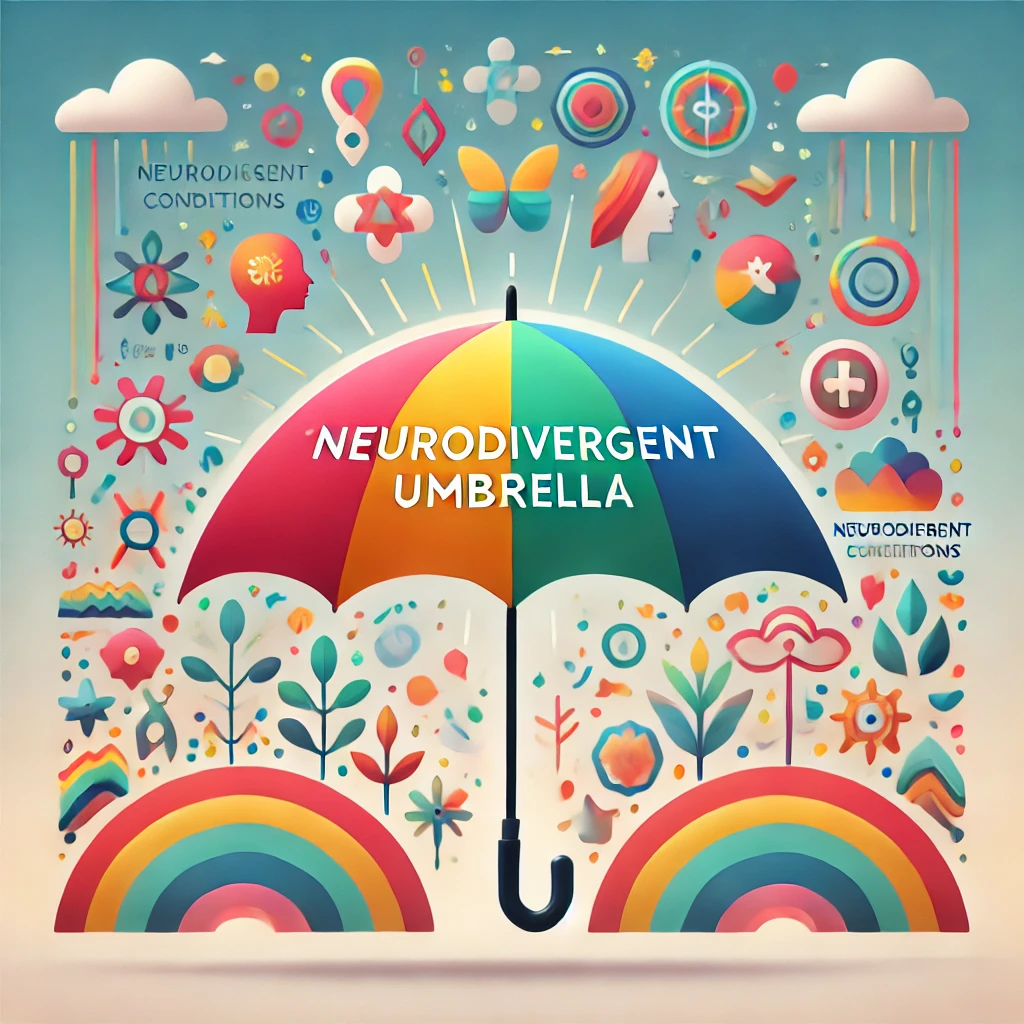
The concept of neurodivergence has gained significant attention in recent years, fostering greater understanding and inclusion for individuals whose brains work differently from the neurotypical norm. The term neurodivergent was coined to describe people with conditions that affect cognitive function, behavior, and sensory processing in unique ways. These differences aren’t flaws—they’re variations in human thinking and perception.
Let’s delve into some conditions that fall under the neurodivergent umbrella, exploring how each contributes to the rich tapestry of human diversity.
1. ADHD (Attention Deficit Hyperactivity Disorder)
ADHD is one of the most well-known neurodivergent conditions, affecting focus, impulse control, and hyperactivity. People with ADHD often experience:
• Difficulty maintaining attention on tasks.
• Impulsive decision-making or behavior.
• High levels of energy or restlessness.
Far from being a deficit, ADHD can manifest as extraordinary creativity, adaptability, and the ability to think outside the box. Many with ADHD thrive in dynamic environments where their energy and quick thinking are assets.
2. Autism Spectrum Disorder (ASD)
Autism is a spectrum, meaning it encompasses a wide range of experiences and abilities. People with autism often have:
• Differences in social interaction and communication styles.
• Intense focus on specific interests or passions.
• Unique sensory experiences, such as heightened sensitivity to sound or touch.
While autism can present challenges in navigating a neurotypical world, many autistic individuals exhibit incredible talents in areas like pattern recognition, attention to detail, and innovation.
3. Dyslexia
Dyslexia is a learning difference that primarily affects reading and writing. Common characteristics include:
• Difficulty with decoding words and spelling.
• Trouble processing written language.
Despite these challenges, people with dyslexia often excel in visual thinking, problem-solving, and creative endeavors. Their ability to approach problems holistically makes them invaluable in fields like design, art, and entrepreneurship.
4. Down Syndrome
Down syndrome is a genetic condition caused by an extra copy of chromosome 21, which impacts cognitive development and physical features. People with Down syndrome may:
• Experience intellectual disabilities, varying in severity.
• Exhibit unique strengths in social connection and emotional intelligence.
Individuals with Down syndrome often bring warmth, kindness, and determination to their communities. With proper support, they can lead fulfilling and independent lives.
5. Sensory Processing Disorder (SPD)
SPD affects how the brain processes sensory information, such as sounds, textures, or movement. People with SPD may:
• Be hypersensitive to stimuli (e.g., loud noises or bright lights).
• Seek out sensory input, such as spinning or squeezing objects.
While SPD can make certain environments overwhelming, it also fosters heightened awareness of sensory details, making those with SPD exceptionally observant and mindful.
Why Understanding Neurodivergence Matters
Recognizing the wide range of conditions under the neurodivergent umbrella allows us to appreciate the strengths and challenges of individuals whose brains function differently. Neurodiversity is a natural part of human variation, and embracing it helps build more inclusive schools, workplaces, and communities.
By shifting the narrative from “disability” to “difference,” we celebrate the contributions that neurodivergent people bring to the world. From creative breakthroughs to profound empathy, their unique perspectives enrich every aspect of society.
Conclusion
The neurodivergent umbrella encompasses a broad spectrum of conditions, each with its own set of characteristics and strengths. ADHD, autism, dyslexia, Down syndrome, and sensory processing disorder are just a few examples of how diverse the human mind can be. By embracing neurodiversity, we foster a more inclusive and compassionate world where everyone has the opportunity to thrive.

 The Neurodiverse Society