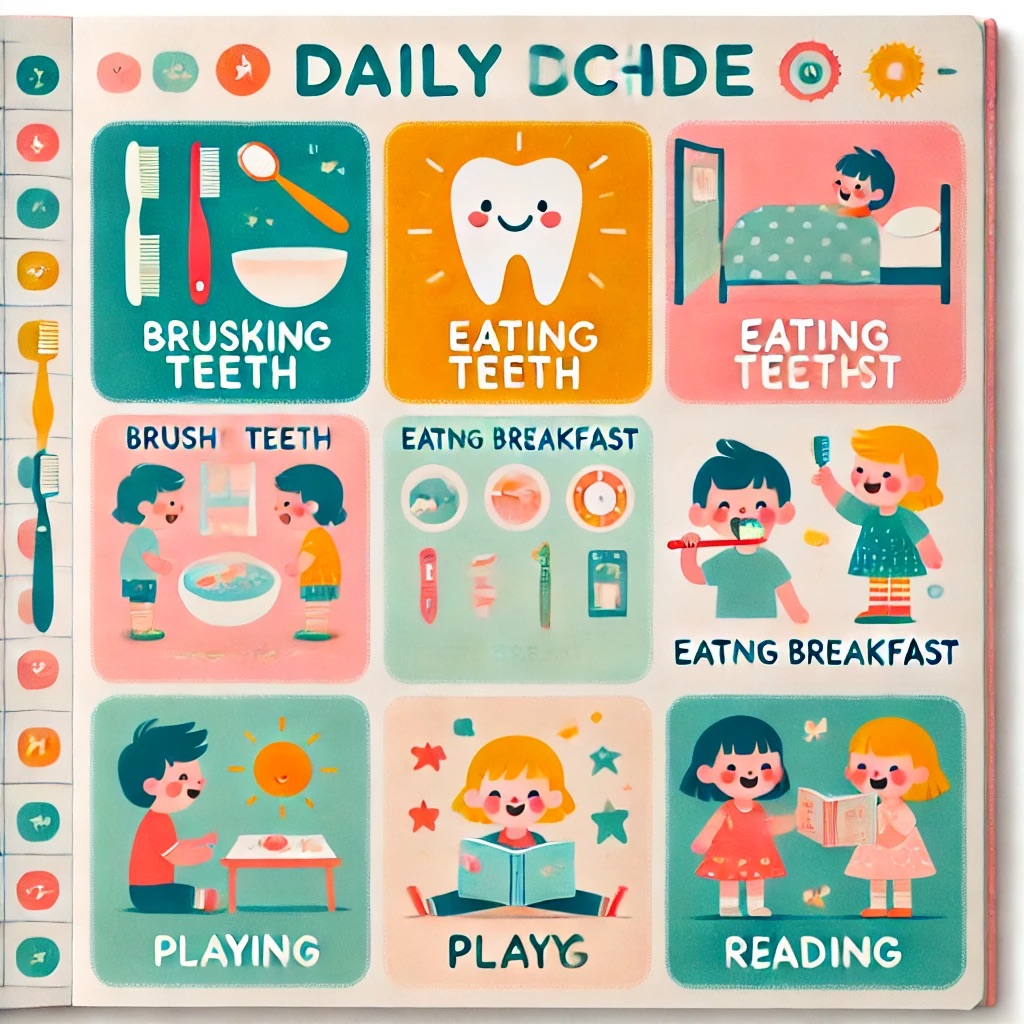
Visual aides are powerful tools for engaging children, aiding in communication, and fostering understanding. From picture schedules and flashcards to storyboards and visual charts, these tools are particularly effective for young learners and children with diverse learning needs, such as those with autism, ADHD, or language delays. However, the key to unlocking the full potential of visual aides lies in consistency.
Here’s why consistency matters and how it can make a difference:
1. Reinforces Learning Through Repetition
Children thrive on repetition and predictability. Using visual aides consistently helps reinforce key concepts, making it easier for children to internalize information. For example, a visual schedule used daily can help a child understand and anticipate their routine, reducing anxiety and promoting independence.
Consistency in visuals also aids memory retention. When the same images or symbols are used repeatedly, children build stronger connections between the visuals and the concepts they represent.
2. Reduces Confusion and Overwhelm
Switching between different types of visuals or designs can be overwhelming for children, especially those who rely heavily on visuals to process information. Consistency in style, color schemes, and symbols provides a sense of stability and clarity.
For example, if a teacher uses a blue star to signify “good behavior” on Monday and a gold trophy on Tuesday, the child may become confused about what is being communicated. Sticking to one symbol ensures the child understands the message without frustration.
3. Supports Routine and Structure
Children often find comfort in routines, and visual aides play a significant role in establishing them. A consistent approach to using visual supports, such as a morning schedule or bedtime checklist, helps children feel secure and understand what is expected of them.
For instance, using the same sequence of pictures to outline a morning routine (e.g., brush teeth, get dressed, eat breakfast) ensures a smooth start to the day. When this structure is reliably reinforced, children are more likely to follow through independently.
4. Builds Trust and Confidence
When children see the same visuals used repeatedly, they begin to trust the system. They know what to expect and can focus on learning or completing tasks rather than trying to interpret new symbols or images.
This trust fosters confidence. A child who knows that a red stop sign always means “pause and wait” will respond more readily to that cue over time, rather than hesitating or second-guessing its meaning.
5. Facilitates Collaboration Between Adults and Caregivers
Consistency in visual aides doesn’t just benefit the child; it also ensures that everyone involved in their care is on the same page. Whether it’s parents, teachers, or therapists, using the same set of visual tools creates a unified approach.
For example, if a child’s speech therapist uses a particular set of visual cues, and these are reinforced at home and in school, the child experiences a seamless learning environment. This collaboration amplifies the effectiveness of the visual supports.
Tips for Maintaining Consistency with Visual Aides
• Stick to a Design: Choose a specific style or set of symbols and use them across all settings. Tools like PECS (Picture Exchange Communication System) or Boardmaker offer standardized visuals.
• Use Clear Labels: Pair visuals with simple, clear text to reinforce understanding.
• Involve the Child: If possible, involve children in creating or personalizing their visual aides to boost engagement and ownership.
• Keep It Simple: Avoid overloading visuals with too much detail. Simplicity ensures the child focuses on the key message.
• Coordinate Across Settings: Communicate with other caregivers or educators to ensure consistent use of visuals wherever the child interacts.
Final Thoughts
Consistency is the cornerstone of effective visual aide use with children. By providing stable, predictable cues, visual supports become a reliable bridge for communication, learning, and emotional regulation. Over time, this consistency fosters independence, reduces frustration, and empowers children to navigate their world with confidence.
Whether you’re a parent, teacher, or caregiver, embracing consistency in visual supports is a simple but impactful way to set children up for success.

 The Neurodiverse Society