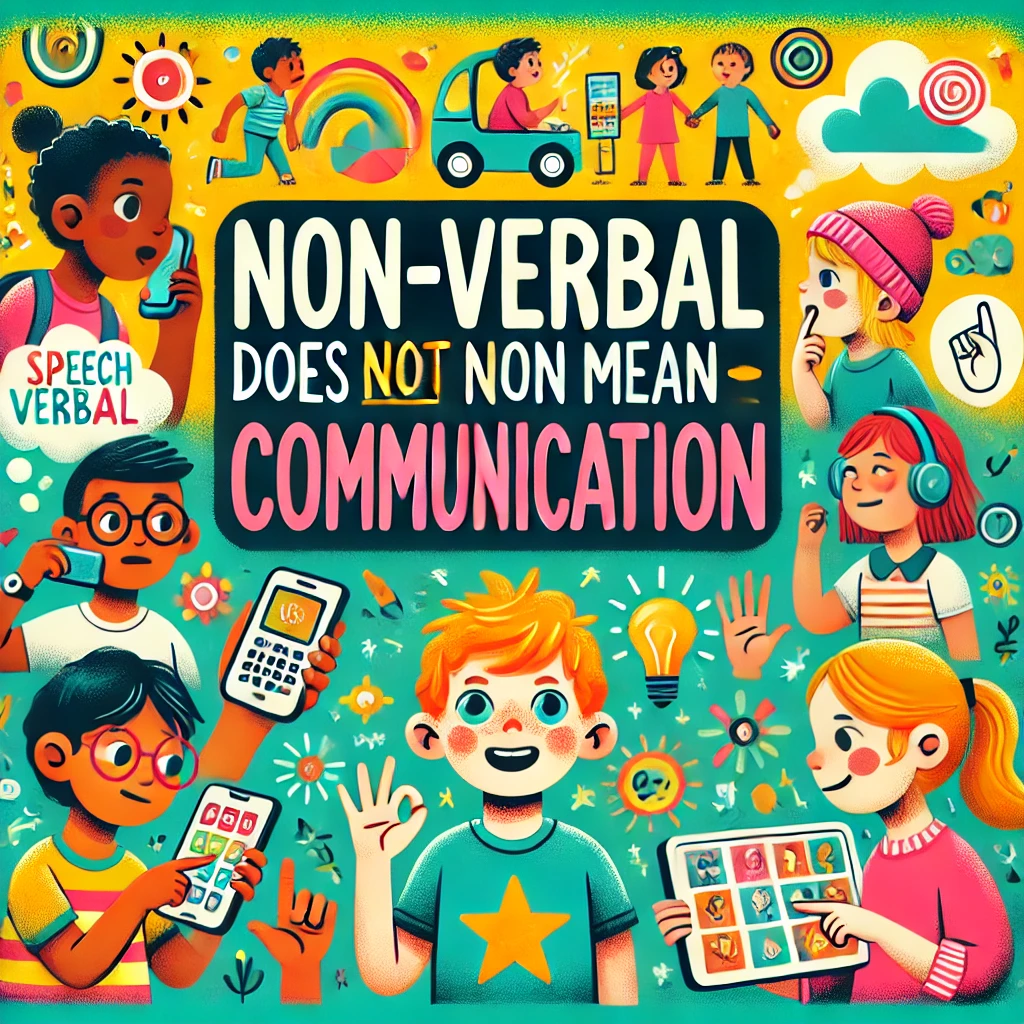
When most people think about communication, they picture spoken words, text messages, or written notes. But communication is so much more than that. In fact, up to 93% of human communication is non-verbal, according to studies on body language and tone of voice. This highlights a critical truth: non-verbal does not mean no communication.
Non-Verbal Communication Is Constant
Every movement, gesture, or facial expression tells a story. Whether intentional or not, non-verbal cues convey emotions, attitudes, and intentions. For example:
• A smile can express warmth and openness.
• Crossed arms might suggest defensiveness or discomfort.
• Eye contact—or lack of it—can reveal interest, confidence, or even anxiety.
People are always communicating, even when they aren’t speaking. Silence itself can be a form of communication. For instance, a pause during a conversation might indicate hesitation, deep thought, or even disagreement.
Beyond Words: How We Communicate Without Speaking
Non-verbal communication includes much more than just body language. It encompasses a variety of elements, such as:
1. Facial Expressions: Universally recognized expressions like happiness, sadness, anger, or surprise can speak volumes.
2. Tone and Voice: How something is said often matters more than what is said. A sarcastic tone can completely change the meaning of a sentence.
3. Gestures: Hand movements, head nods, or even the way someone fidgets can all tell a story.
4. Space and Proximity: How close you stand to someone communicates comfort levels and boundaries.
5. Appearance and Presentation: Clothing, posture, and grooming can all communicate messages about identity, mood, or professionalism.
Understanding Non-Verbal Communication in Special Contexts
For individuals who cannot or choose not to communicate verbally—such as those with certain disabilities, those on the autism spectrum, or people experiencing temporary speech challenges—non-verbal communication becomes even more essential.
• Sign Language: This is a powerful, structured form of non-verbal communication that serves as a primary language for millions worldwide.
• Assistive Technologies: Eye-tracking devices and communication boards empower individuals to express themselves non-verbally.
• Behavioral Cues: Subtle gestures, like pointing or nodding, can help convey needs, preferences, or emotions.
Listening Beyond Words
To truly connect with others, we must become more attuned to their non-verbal cues. Active listening isn’t just about hearing words; it’s about observing the full spectrum of communication. Being mindful of body language, facial expressions, and tone can deepen our understanding of what someone is trying to share.
Why Non-Verbal Communication Matters
Understanding that non-verbal does not mean no communication can lead to greater empathy and stronger relationships. By paying attention to the ways people express themselves beyond words, we can foster inclusivity and ensure everyone’s voice—spoken or unspoken—is heard.
So, the next time you’re in a conversation, remember: communication is not just what you say, but also what you do. Non-verbal communication is a universal language that connects us all, no matter our words.

 The Neurodiverse Society