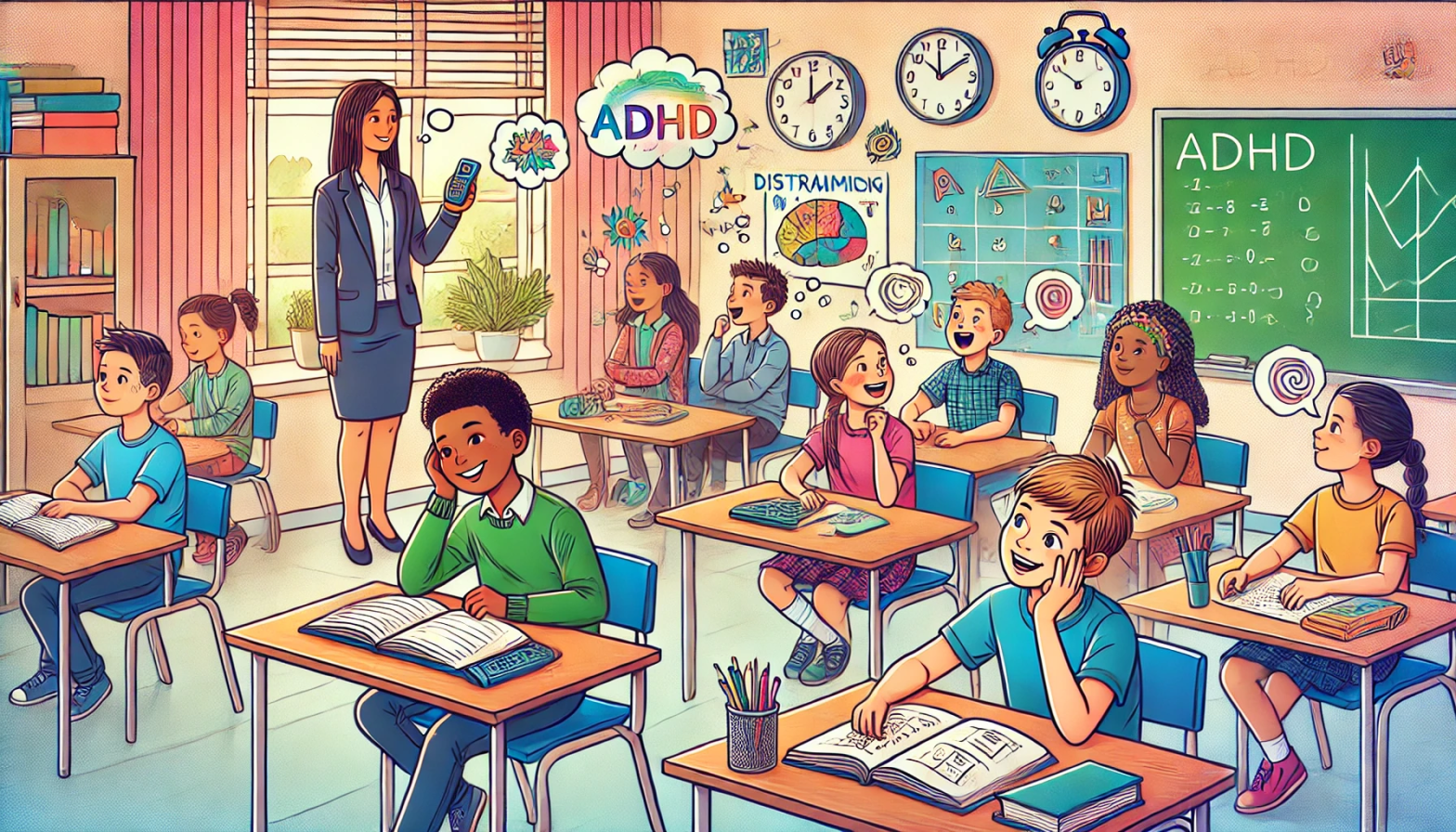
Understanding ADHD in Children: A Guide for Parents and Educators

Attention Deficit Hyperactivity Disorder (ADHD) is one of the most common neurodevelopmental conditions in children, affecting approximately 6-10% of kids worldwide. Despite its prevalence, ADHD is often misunderstood, leading to frustration for both children and their caregivers. This blog post aims to shed light on ADHD in children, its symptoms, and how to support them in achieving their full potential.

What is ADHD?

ADHD is a condition that impacts how the brain regulates attention, impulse control, and activity levels. It is not caused by poor parenting, laziness, or lack of intelligence. ADHD is a biological condition influenced by genetics and brain development.

Children with ADHD often experience challenges in environments that require sustained focus, such as classrooms, but they also bring unique strengths like creativity, curiosity, and energy.

Signs and Symptoms of ADHD in Children

ADHD symptoms typically appear before the age of 12 and are grouped into three main categories:

1. Inattention

• Difficulty focusing on tasks or activities.

• Frequently losing items like toys, homework, or pencils.

• Struggling to follow instructions or complete tasks.

• Being easily distracted by unrelated stimuli.

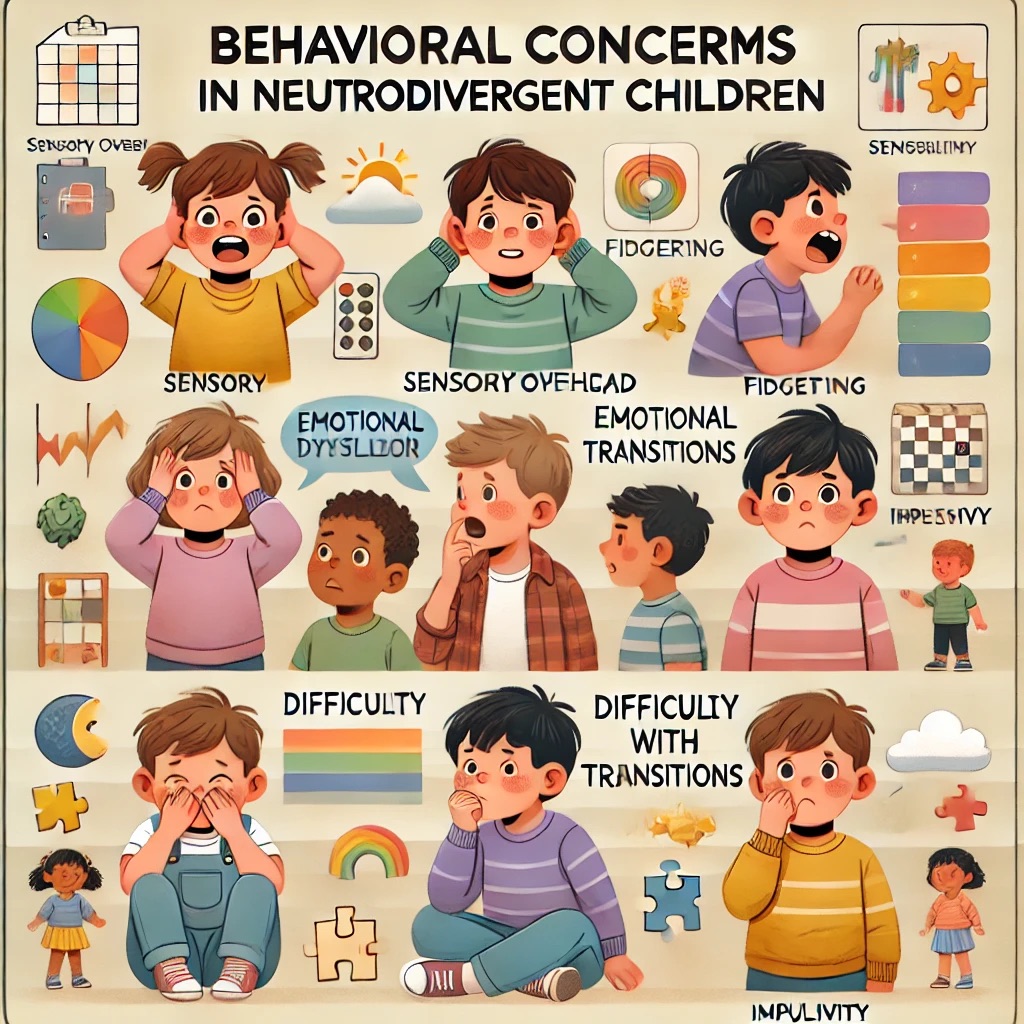
2. Hyperactivity

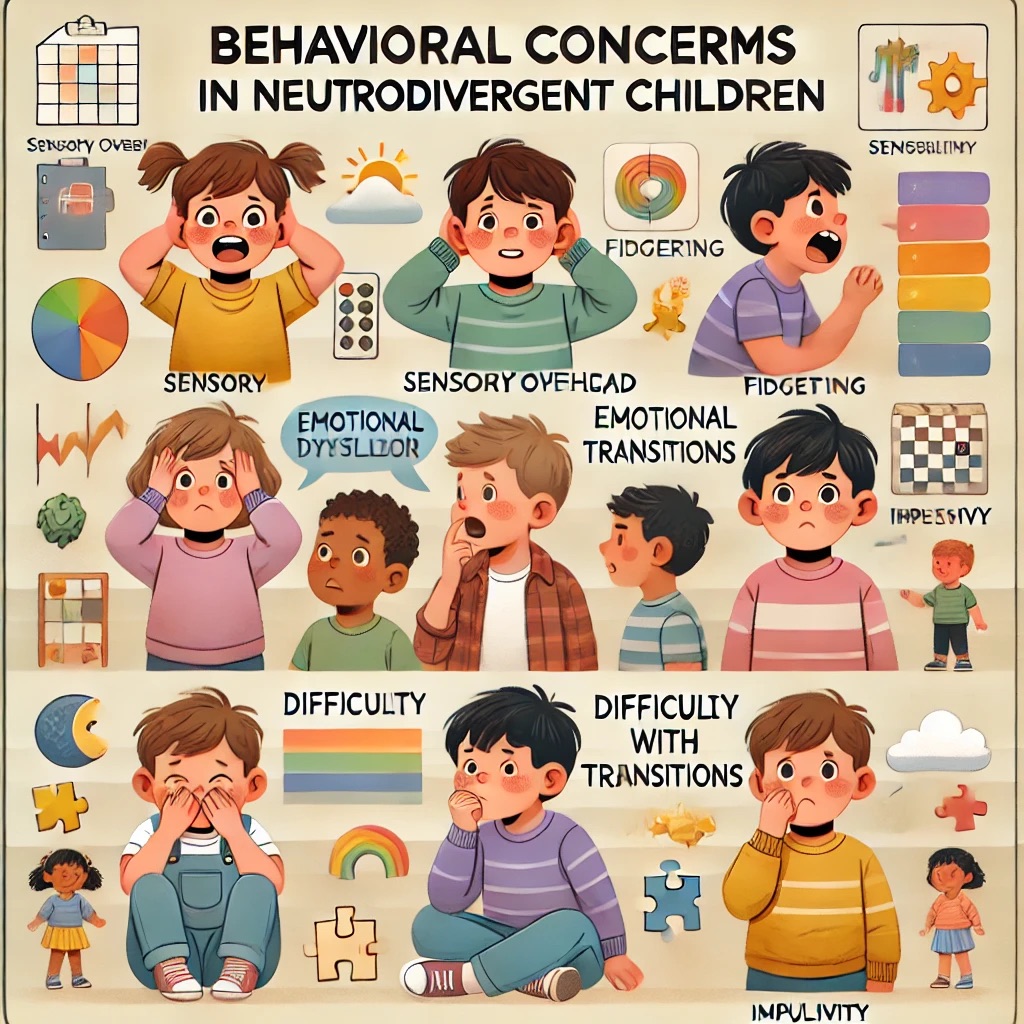
• Excessive movement, even in situations where sitting still is expected.

• Talking excessively or blurting out answers.

• Difficulty playing quietly or engaging in calm activities.

3. Impulsivity

• Acting without thinking about the consequences.

• Interrupting conversations or games.

• Difficulty waiting for their turn in activities.

It’s important to note that every child with ADHD is unique, and their symptoms may range from mild to severe. Some children primarily struggle with inattention (often referred to as ADD), while others exhibit hyperactive and impulsive behaviors.

The Strengths of Children with ADHD

While ADHD can present challenges, children with the condition often have incredible strengths that can shine when supported properly. These include:

• Creativity: Many children with ADHD think outside the box and have vivid imaginations.

• Energy: Their high energy levels can make them enthusiastic and motivated.

• Hyperfocus: While they may struggle with general focus, ADHD children can intensely concentrate on activities they find interesting.

• Resilience: Coping with ADHD challenges often builds determination and problem-solving skills.

How to Support a Child with ADHD

1. Encourage a Structured Environment

Children with ADHD thrive in predictable settings. Use routines to create a sense of stability, such as consistent wake-up, meal, and homework times.

2. Break Tasks Into Manageable Steps

Large tasks can feel overwhelming. Breaking them into smaller, more achievable steps helps maintain focus and reduces frustration.

3. Use Positive Reinforcement

Praise and reward good behavior and accomplishments. Positive reinforcement boosts self-esteem and encourages desired behaviors.

4. Provide Movement Breaks

Children with ADHD often struggle to stay still for long periods. Allow short breaks for physical activity to help them release energy and refocus.

5. Collaborate with Teachers

Work with educators to create accommodations, such as extended test times or seating arrangements that reduce distractions. Individualized Education Plans (IEPs) or 504 Plans can provide additional support.

6. Consider Professional Support

Therapists, counselors, and pediatricians can provide interventions tailored to your child’s needs. In some cases, medication may also be recommended as part of a comprehensive treatment plan.

Fostering Self-Esteem in ADHD Children

Many children with ADHD face criticism for behaviors they can’t control, which can impact their self-confidence. It’s crucial to remind them of their unique talents and to focus on their successes. Build an environment where they feel supported, valued, and capable.

Final Thoughts

ADHD in children is not a one-size-fits-all experience. By understanding the condition, we can better appreciate the unique challenges and strengths that come with it. With patience, support, and the right strategies, children with ADHD can not only manage their symptoms but also thrive in their own way.

Let’s work together to create a world that embraces neurodiversity and celebrates every child for who they are.

Understanding the Neurodivergent Umbrella: Embracing Diverse Minds

The concept of neurodivergence has gained significant attention in recent years, fostering greater understanding and inclusion for individuals whose brains work differently from the neurotypical norm. The term neurodivergent was coined to describe people with conditions that affect cognitive function, behavior, and sensory processing in unique ways. These differences aren’t flaws—they’re variations in human thinking and perception.

Let’s delve into some conditions that fall under the neurodivergent umbrella, exploring how each contributes to the rich tapestry of human diversity.

1. ADHD (Attention Deficit Hyperactivity Disorder)

ADHD is one of the most well-known neurodivergent conditions, affecting focus, impulse control, and hyperactivity. People with ADHD often experience:

• Difficulty maintaining attention on tasks.

• Impulsive decision-making or behavior.

• High levels of energy or restlessness.

Far from being a deficit, ADHD can manifest as extraordinary creativity, adaptability, and the ability to think outside the box. Many with ADHD thrive in dynamic environments where their energy and quick thinking are assets.

2. Autism Spectrum Disorder (ASD)

Autism is a spectrum, meaning it encompasses a wide range of experiences and abilities. People with autism often have:

• Differences in social interaction and communication styles.

• Intense focus on specific interests or passions.

• Unique sensory experiences, such as heightened sensitivity to sound or touch.

While autism can present challenges in navigating a neurotypical world, many autistic individuals exhibit incredible talents in areas like pattern recognition, attention to detail, and innovation.

3. Dyslexia

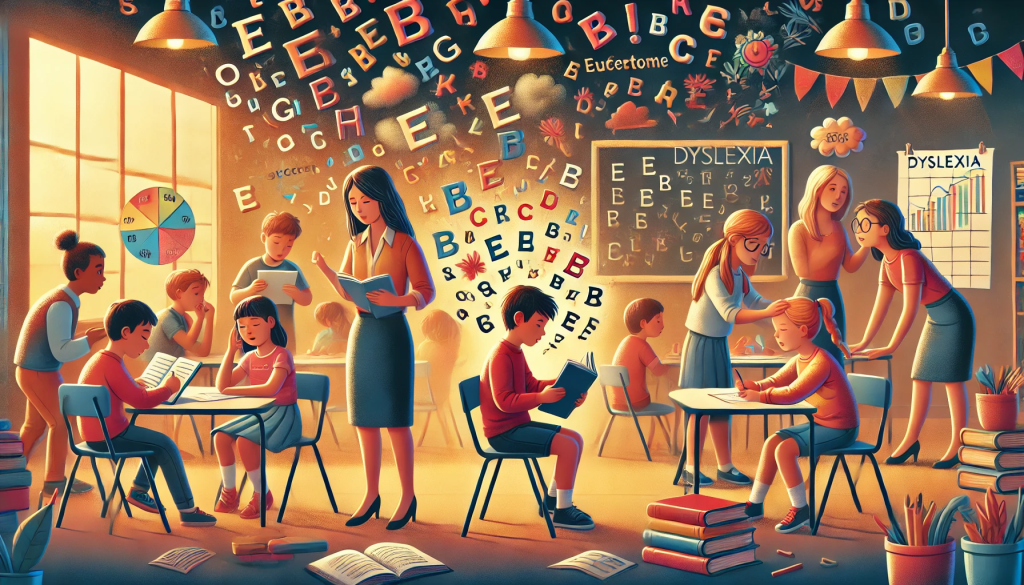
Dyslexia is a learning difference that primarily affects reading and writing. Common characteristics include:

• Difficulty with decoding words and spelling.

• Trouble processing written language.

Despite these challenges, people with dyslexia often excel in visual thinking, problem-solving, and creative endeavors. Their ability to approach problems holistically makes them invaluable in fields like design, art, and entrepreneurship.

4. Down Syndrome

Down syndrome is a genetic condition caused by an extra copy of chromosome 21, which impacts cognitive development and physical features. People with Down syndrome may:

• Experience intellectual disabilities, varying in severity.

• Exhibit unique strengths in social connection and emotional intelligence.

Individuals with Down syndrome often bring warmth, kindness, and determination to their communities. With proper support, they can lead fulfilling and independent lives.

5. Sensory Processing Disorder (SPD)

SPD affects how the brain processes sensory information, such as sounds, textures, or movement. People with SPD may:

• Be hypersensitive to stimuli (e.g., loud noises or bright lights).

• Seek out sensory input, such as spinning or squeezing objects.

While SPD can make certain environments overwhelming, it also fosters heightened awareness of sensory details, making those with SPD exceptionally observant and mindful.

Why Understanding Neurodivergence Matters

Recognizing the wide range of conditions under the neurodivergent umbrella allows us to appreciate the strengths and challenges of individuals whose brains function differently. Neurodiversity is a natural part of human variation, and embracing it helps build more inclusive schools, workplaces, and communities.

By shifting the narrative from “disability” to “difference,” we celebrate the contributions that neurodivergent people bring to the world. From creative breakthroughs to profound empathy, their unique perspectives enrich every aspect of society.

Conclusion

The neurodivergent umbrella encompasses a broad spectrum of conditions, each with its own set of characteristics and strengths. ADHD, autism, dyslexia, Down syndrome, and sensory processing disorder are just a few examples of how diverse the human mind can be. By embracing neurodiversity, we foster a more inclusive and compassionate world where everyone has the opportunity to thrive.

Understanding Autism: Key Facts About Autism in Children

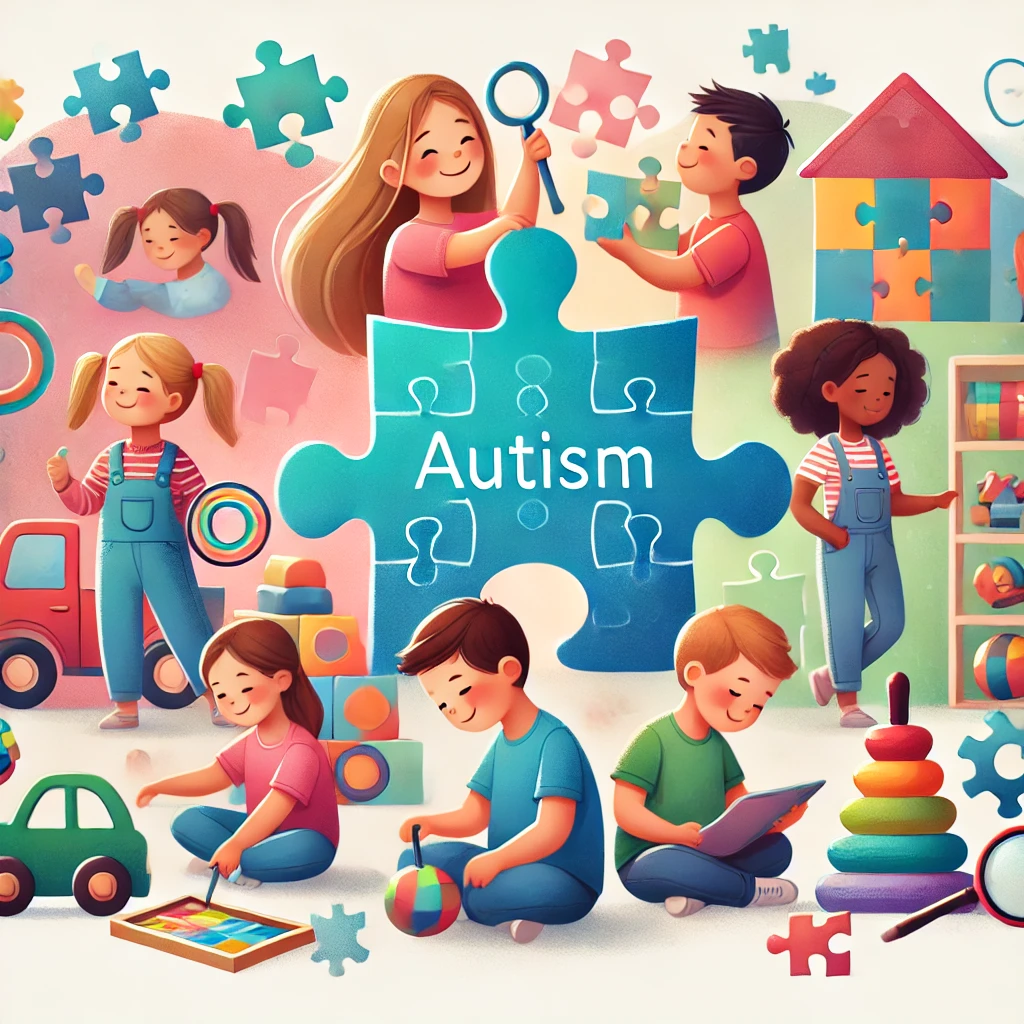
Autism Spectrum Disorder (ASD) is a developmental condition that affects how children interact, communicate, and perceive the world. As awareness about autism grows, so does the understanding that no two autistic children are alike. Each child is unique, with their own strengths, challenges, and ways of experiencing life.

Here, we’ll explore key facts about autism in children, helping parents, educators, and caregivers better understand and support autistic kids.

What Is Autism Spectrum Disorder?

Autism Spectrum Disorder is a neurological condition that impacts:

• Communication (verbal and nonverbal).

• Social interaction (understanding social cues and relationships).

• Behavior and interests (repetitive behaviors, intense focus on specific interests).

The term “spectrum” reflects the wide range of characteristics and abilities seen in autistic individuals. Some children may need significant support in their daily lives, while others are highly independent.

Key Facts About Autism in Children

1. Autism Is More Common Than Many Realize

According to the CDC, approximately 1 in 36 children in the United States is diagnosed with autism. While autism is diagnosed in children of all races, ethnicities, and socioeconomic backgrounds, boys are about four times more likely to be diagnosed than girls.

2. Signs of Autism Can Appear Early

Many parents notice signs of autism by the time their child is 2 or 3 years old, though some indicators may emerge even earlier. Common early signs include:

• Delayed speech or language skills.

• Limited eye contact.

• Lack of interest in social play.

• Repetitive behaviors, such as hand-flapping or lining up toys.

3. Autism Looks Different in Every Child

Autism is highly individualized. Some children may struggle with sensory sensitivities (e.g., loud noises, bright lights), while others may excel in areas like memory, math, or art. It’s essential to recognize each child’s unique needs and strengths.

4. Autism Is Not Caused by Vaccines

Despite myths and misinformation, numerous scientific studies have shown that vaccines do not cause autism. Autism has a strong genetic component, and environmental factors may also play a role in its development.

5. Early Intervention Makes a Difference

Research shows that early intervention services, such as speech therapy, occupational therapy, and behavioral therapy, can significantly improve outcomes for autistic children. These interventions are most effective when tailored to the child’s specific needs.

6. Communication Styles Vary

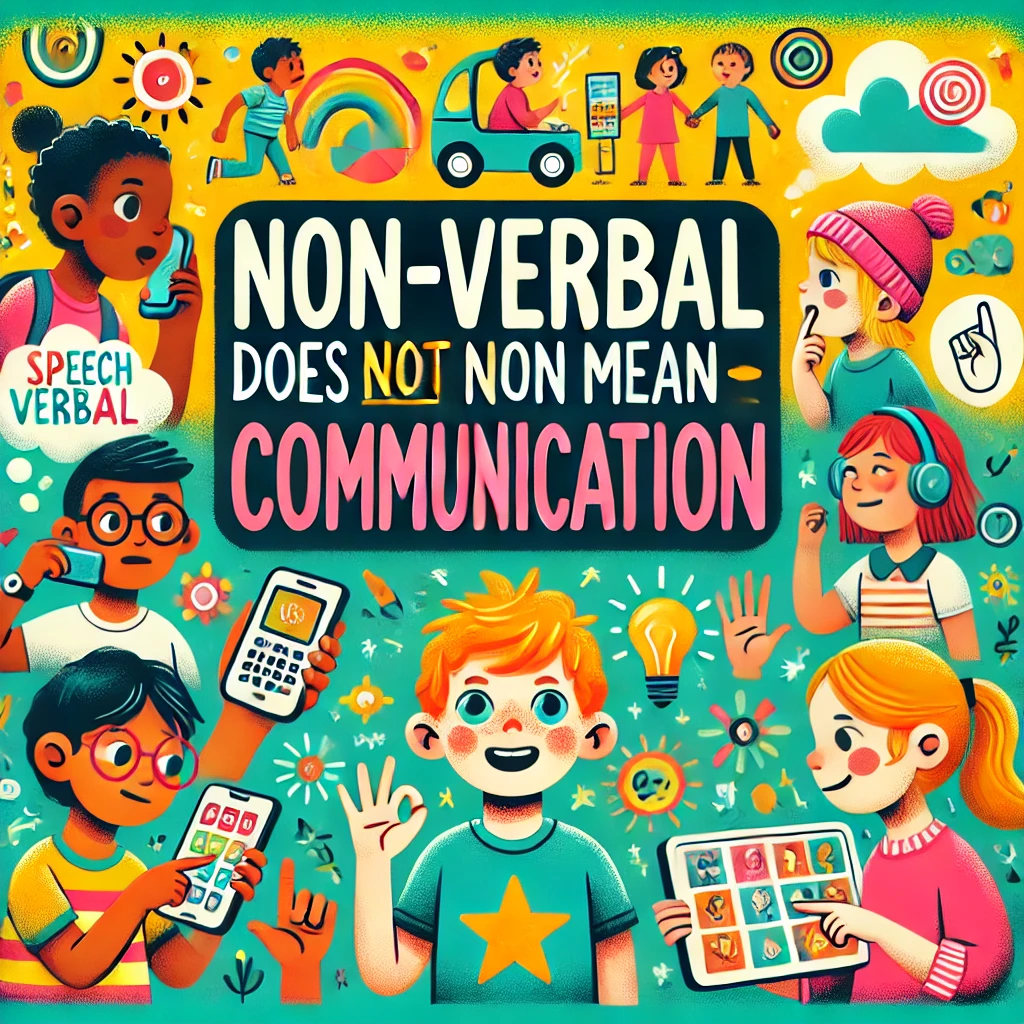
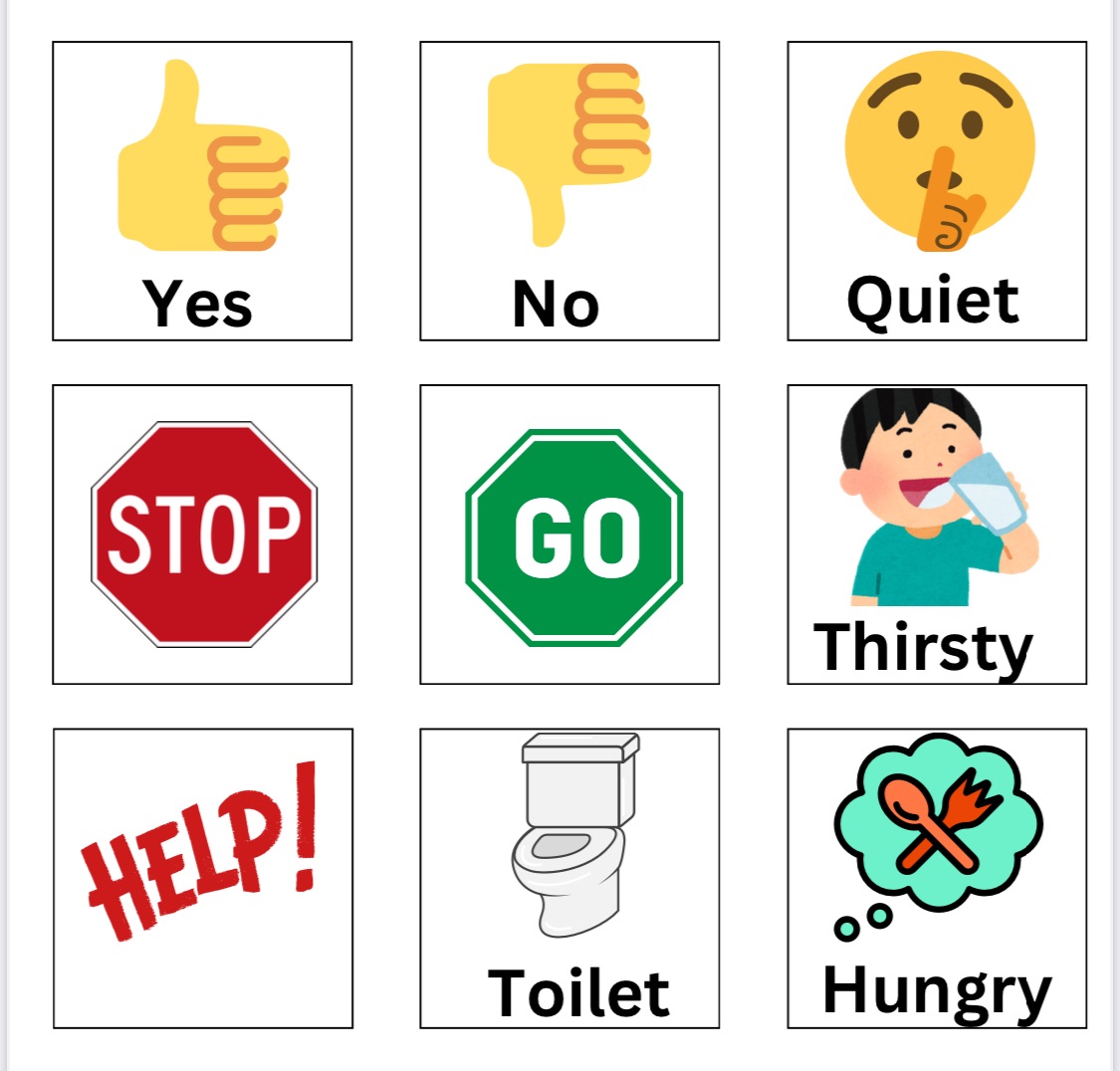
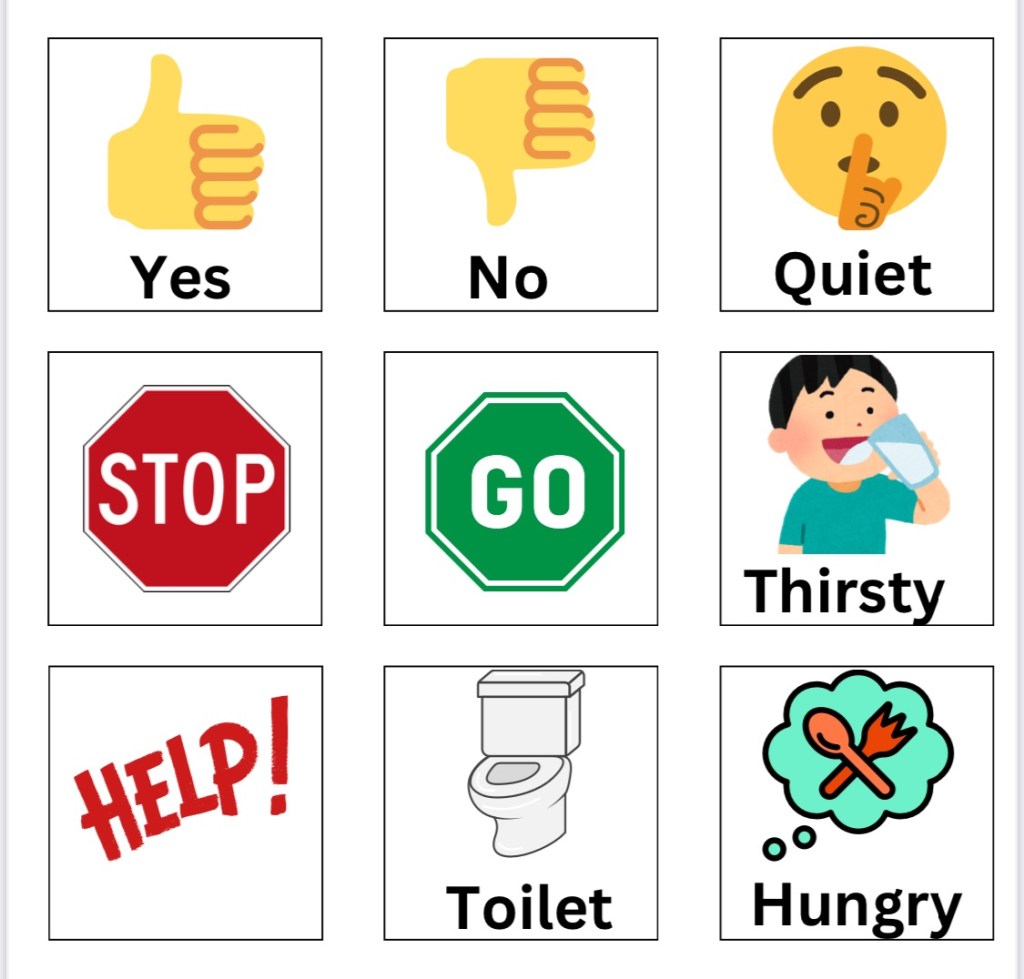
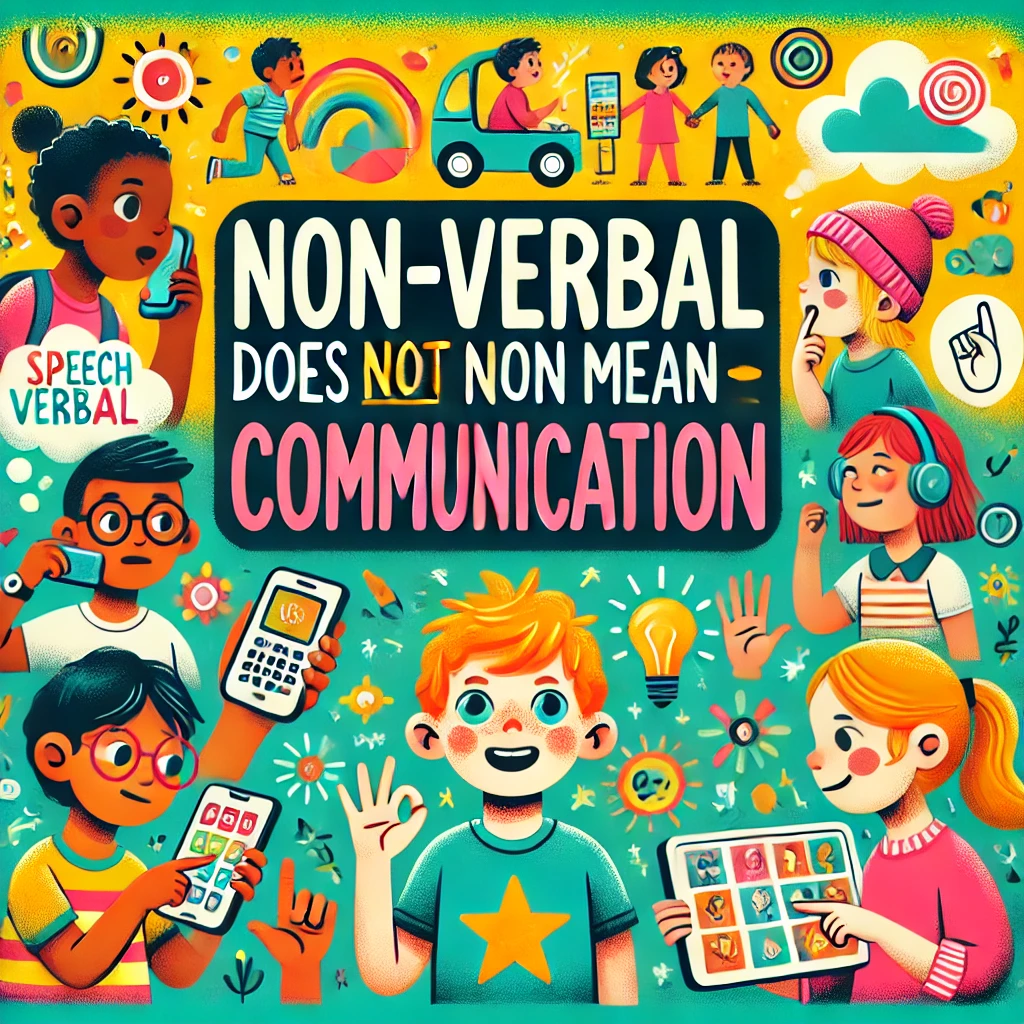
Some autistic children are nonverbal or minimally verbal, while others may have advanced language skills. For nonverbal children, alternative communication methods, like picture exchange systems or speech-generating devices, can be transformative.

7. Autistic Children May Have Intense Interests

Many autistic children develop deep, focused interests in specific topics or activities. These interests can be a source of joy and learning, offering a way to connect with the child and support their development.

8. Routine and Predictability Are Important

Changes in routine can be challenging for many autistic children. Visual schedules, social stories, and clear communication about transitions can help reduce anxiety and provide a sense of security.

9. Co-Occurring Conditions Are Common

Many autistic children experience co-occurring conditions, such as ADHD, anxiety, sensory processing differences, or epilepsy. Recognizing and addressing these conditions is an essential part of providing comprehensive care.

10. Autistic Children Can Thrive With the Right Support

With understanding, patience, and the right resources, autistic children can lead fulfilling, happy lives. Celebrating their strengths and providing support where needed helps unlock their full potential.

How to Support Autistic Children

1. Educate Yourself: Understanding autism is the first step in providing meaningful support. Learn about sensory needs, communication styles, and behavior patterns.

2. Promote Inclusion: Encourage acceptance and inclusion in schools, playgrounds, and communities. Teach children about the value of diversity and kindness.

3. Be Patient and Flexible: Each child learns and grows at their own pace. Be patient, celebrate progress, and adapt strategies to meet the child’s needs.

4. Use Strength-Based Approaches: Focus on the child’s strengths and interests to build confidence and skills.

The Benefits of Using Visual Schedules for Autistic Children

For autistic children, navigating the world can sometimes feel overwhelming. The unpredictability of daily routines, changes in plans, or unclear expectations can create anxiety and confusion. A visual schedule can help bridge the gap by providing structure and clarity. Whether you’re a parent, caregiver, or educator, incorporating a visual schedule into your daily routine can make a profound difference in the life of an autistic child.

What Is a Visual Schedule?

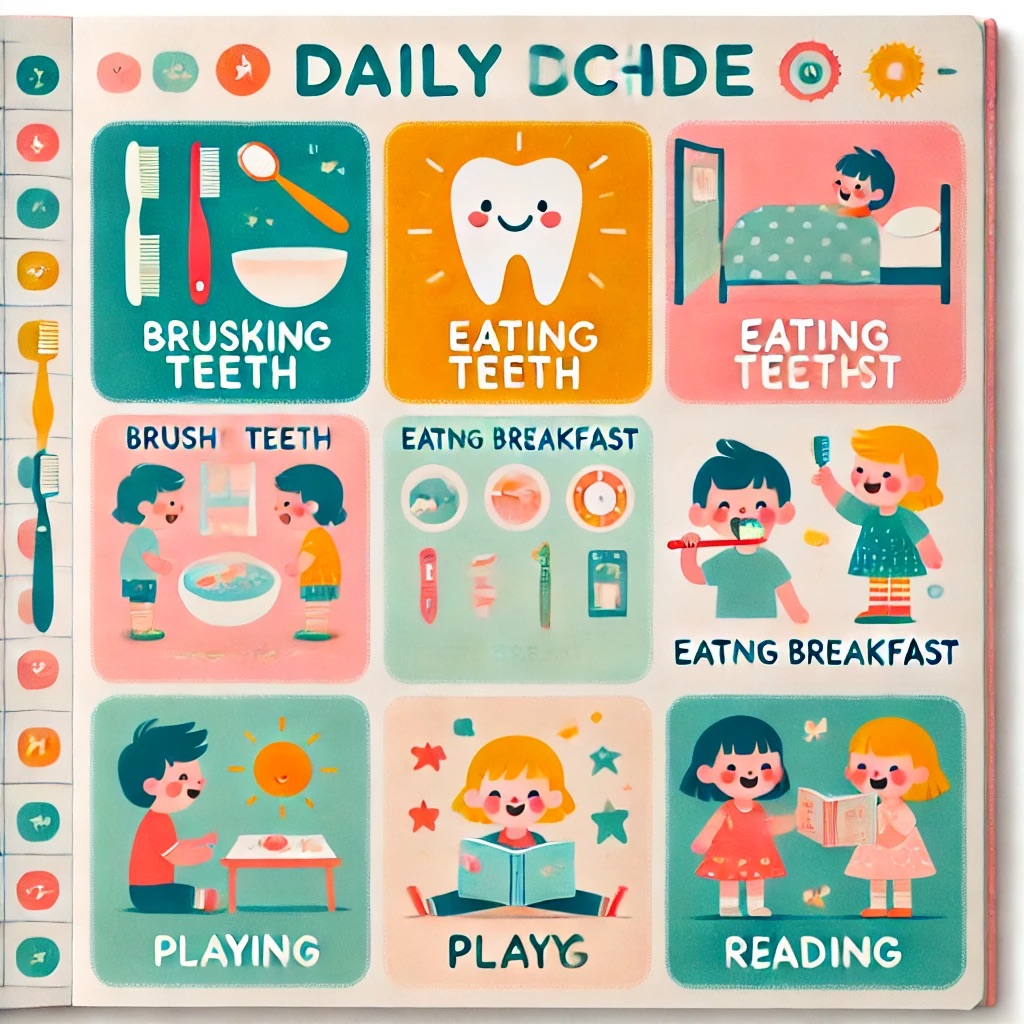
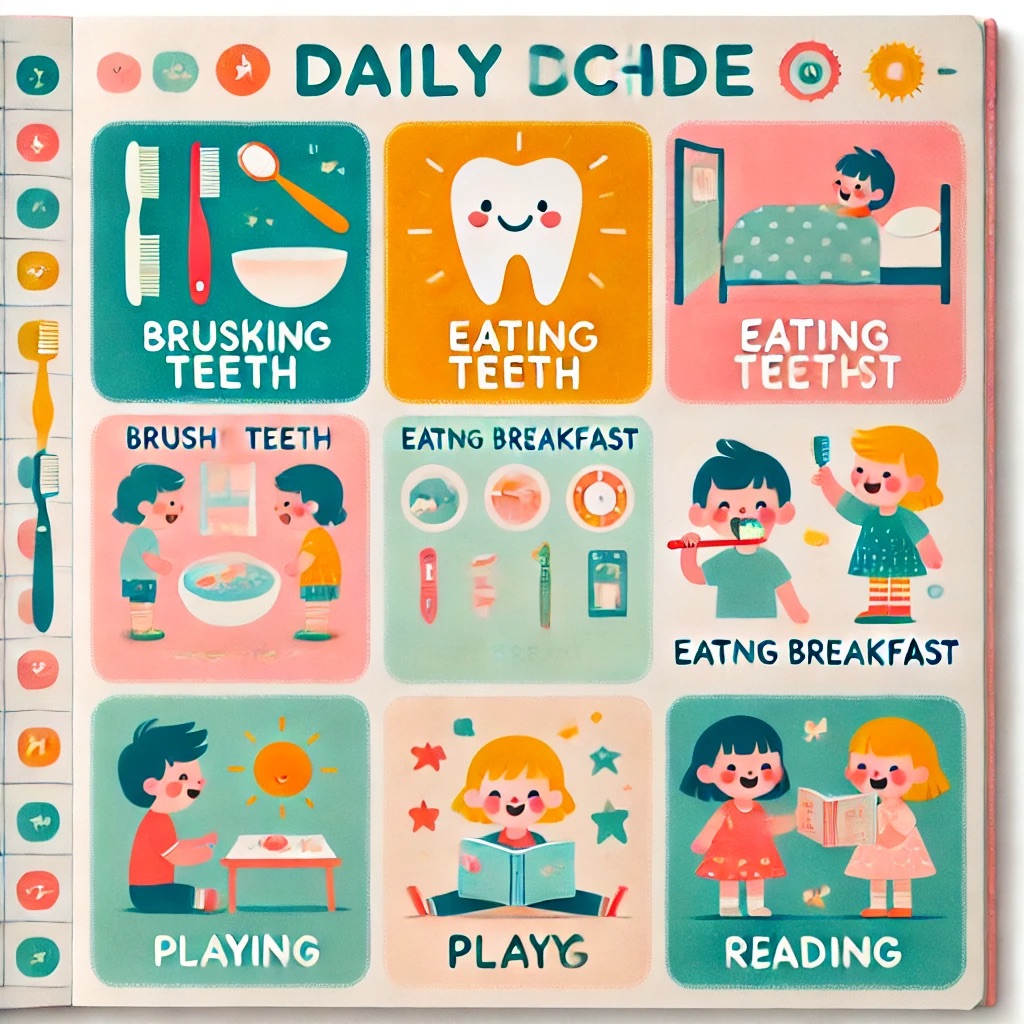
A visual schedule is a tool that uses images, symbols, or written words to represent tasks, activities, or events in a sequence. These schedules can range from simple one-step instructions to complex, day-long plans. Depending on the child’s developmental level and preferences, visual schedules can be presented in various formats:

• Picture cards with images of daily activities.

• Written lists for older children or those who can read.

• Digital apps that allow flexibility and portability.

The goal of a visual schedule is to make the day’s expectations predictable and manageable, reducing uncertainty and supporting independence.

Why Visual Schedules Work for Autistic Children

Autistic children often thrive with routine and predictability. Visual schedules leverage their strength in visual processing, providing a concrete and straightforward way to understand what comes next.

Here are some key benefits:

1. Reduces Anxiety: Knowing what to expect can alleviate feelings of uncertainty and anxiety. Visual schedules offer a roadmap for the day, allowing the child to prepare for transitions and activities.

2. Supports Communication: For nonverbal or minimally verbal children, visual schedules provide a nonverbal way to understand and express routines. This is especially helpful for children who struggle to process spoken instructions.

3. Fosters Independence: Visual schedules encourage children to follow steps and complete tasks on their own, empowering them to take responsibility for their routines.

4. Improves Focus and Attention: Breaking down tasks into smaller, visual components helps children stay on track and reduces overwhelm.

5. Flexibility for Changes: When plans change, visual schedules can be adjusted to include new activities, helping children adapt to the unexpected.

How to Create and Use a Visual Schedule

Creating an effective visual schedule involves a few simple steps:

1. Understand the Child’s Needs: Consider the child’s age, developmental level, and preferences. Some children may prefer photos of real objects, while others might work well with illustrations or written words.

2. Break Down Activities: Divide tasks into manageable steps. For example, instead of “Get Ready for School,” break it into smaller parts like “Brush Teeth,” “Get Dressed,” and “Put on Shoes.”

3. Choose the Format: Decide whether the schedule will be a physical chart, a binder with laminated cards, or a digital app. Consider portability if the schedule needs to travel with the child.

4. Introduce the Schedule Gradually: Start with a few simple activities and gradually expand as the child becomes comfortable. Explain how to use the schedule and offer encouragement.

5. Use Visual Cues: Include a “finished” marker (e.g., a checkmark or moving a card to a “done” section) to indicate task completion.

6. Adapt and Update: Adjust the schedule as the child’s needs change or new activities are introduced.

Tips for Success

• Involve the Child: Whenever possible, involve the child in creating their schedule. This helps build ownership and enthusiasm.

• Be Consistent: Use the visual schedule daily to establish familiarity.

• Be Patient: It may take time for the child to understand and use the schedule independently. Celebrate small successes along the way.

• Include Breaks: Build in downtime or sensory breaks to prevent overwhelm.

Real-Life Success Stories

Parents and educators have reported remarkable improvements in their children’s confidence, behavior, and overall well-being when using visual schedules. For example, one parent shared how their child, who previously struggled with morning routines, now follows a visual schedule with minimal reminders. The child feels a sense of accomplishment after completing each step, starting the day on a positive note.

Visual schedules are a simple yet powerful tool to help autistic children navigate their daily lives. By reducing uncertainty, fostering independence, and improving communication, these schedules create a supportive environment where children can thrive.

If you’re considering implementing a visual schedule, remember that flexibility and patience are key. With time, you’ll likely see a positive impact not only on the child but also on the entire family or classroom dynamic.

Let’s create a more structured, inclusive, and empowering world for autistic children—one visual schedule at a time.